Blog
La musique adaptative, en pratique
Techniques audio, alternatives sans code à Wwise et FMOD, notes de composition IA, et ce que nous apprenons en créant l'audio de jeu sans middleware.
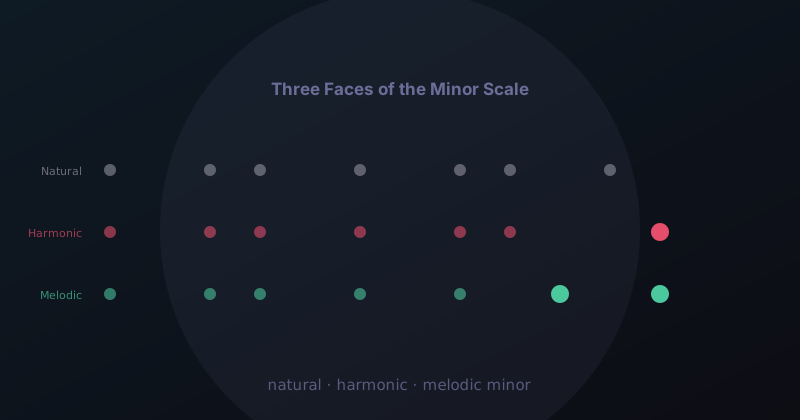
Natural, Harmonic, and Melodic Minor: The Three Faces of Minor Keys
Classical music treats 'minor key' as more complex than major: there are three minor scales, and composers switch between them mid-piece for different expressive effects.
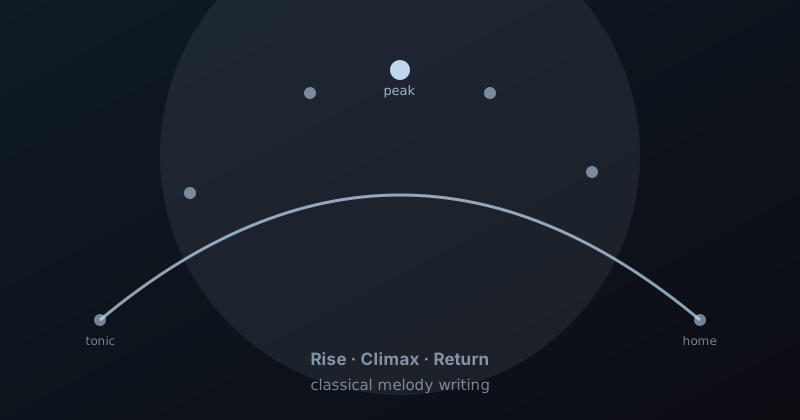
How Classical Melodies Are Built: Shape, Peak, and Return
The best classical melodies follow a structural logic that can be described but not fully explained. Here are the principles behind the melodies of Haydn, Mozart, and Beethoven.
Violin in the Romantic Period: Why It Became the Singing Voice of the Orchestra
The violin dominated Romantic-era melody because its range, expressiveness, and ability to sustain notes made it the closest instrumental equivalent of the human voice.
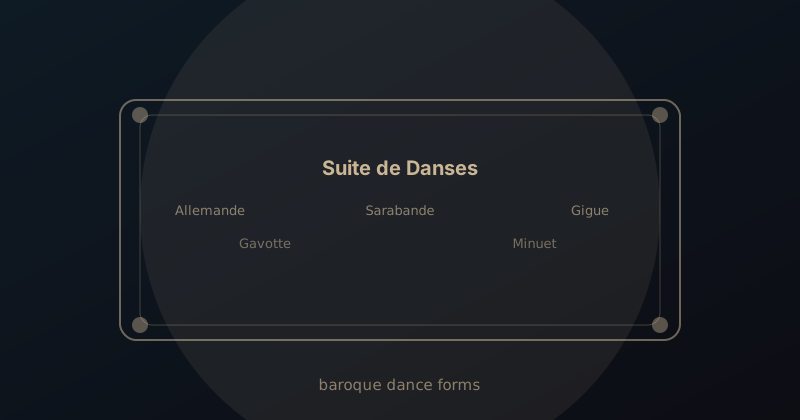
Baroque Dance Forms: The Gavotte, Minuet, and the Suite
Before the symphony and the sonata, European concert music was built around dance. The gavotte, minuet, sarabande, and gigue gave composers a formal vocabulary that lasted two centuries.

Counterpoint and Voice Leading: The Hidden Rules of Classical Music
Classical harmony isn't just about what chord comes next — it's about how each voice moves. Counterpoint is the grammar beneath every Bach chorale and Beethoven sonata.
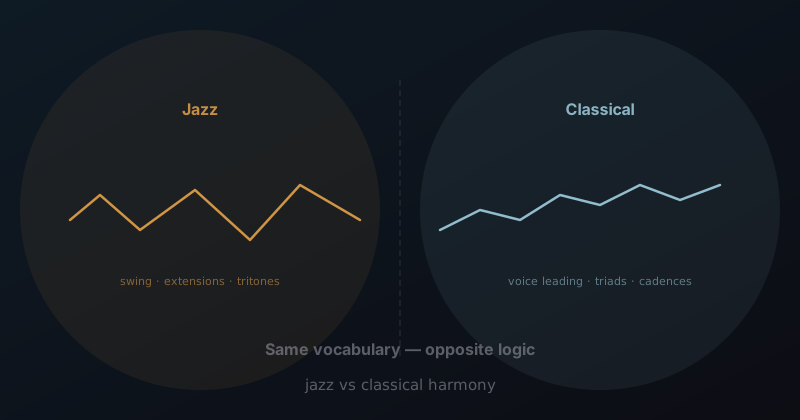
Jazz vs. Classical Harmony: How They Think About Chords Differently
Jazz and classical harmony both use seventh chords and functional progressions — but their underlying logic is almost opposite. Here's what separates them.
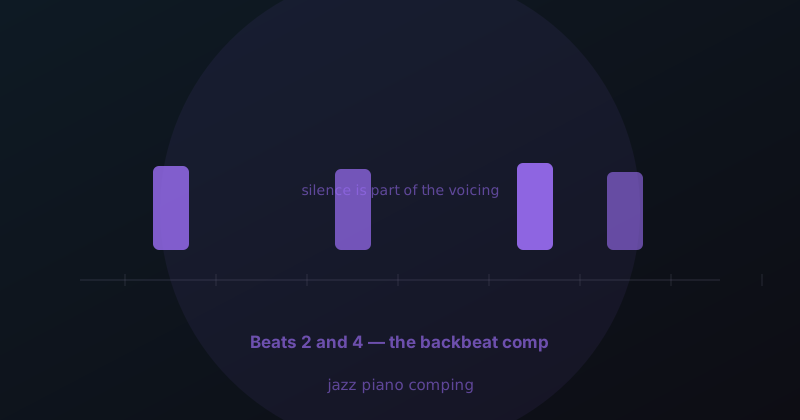
Comping: The Art of Not Playing Too Much
Jazz piano comping is one of music's most nuanced skills — knowing when to play, what to voice, and crucially, when to leave silence for the soloist.
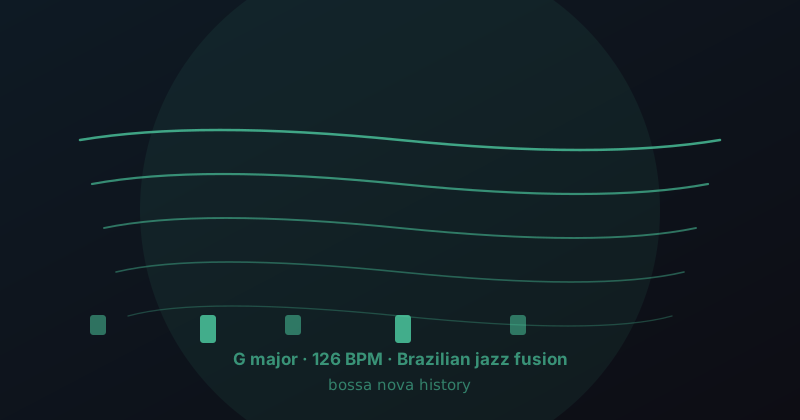
Bossa Nova: When Brazilian Music Taught Jazz to Breathe
Bossa nova emerged in late-1950s Rio de Janeiro as a synthesis of samba rhythm and jazz harmony. It changed American music permanently.
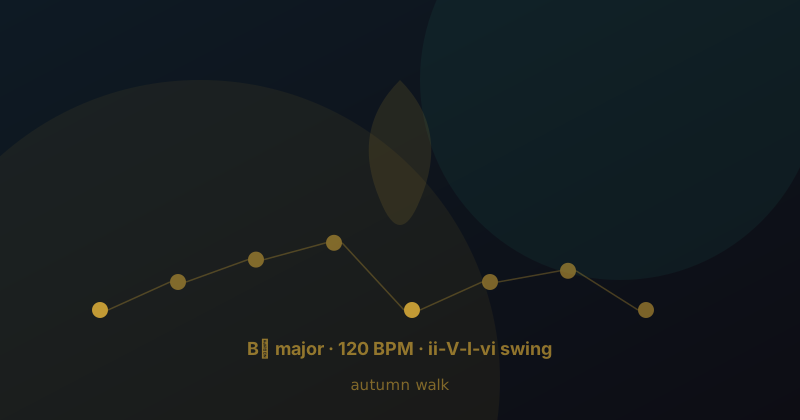
Autumn Walk: Composition Notes for a Bb Major Swing Piece
How the Mowjera Autumn Walk was built — the harmonic choices, the walking bass strategy, and why Bb major is the natural home of medium-swing jazz.
Écoutez ce dont parlent ces articles
Chaque technique présentée ici est en ligne sur le marketplace — états adaptatifs, brouillons IA, vrais instruments échantillonnés, démos jouables.
Parcourir les partitions