وبلاگ
موسیقی تطبیقی، در عمل
تکنیک صداگذاری بازی، مقایسه جایگزینهای بدون کد Wwise و FMOD، یادداشتهای آهنگسازی با هوش مصنوعی و آموختههای ما از ساخت صدای بازی بدون میانافزار.
فیلتر بر اساس #theory — پاک کردن

دایرهی پنجمها (Circle of Fifths) چیست؟ راهنمای آهنگسازان
دایرهی پنجمها (Circle of Fifths) چطور کلیدهای تونالیته، مینور نسبی و مدولاسیون نرم را نشان میدهد؟ آموزش با جدول کامل ۱۲ گام ماژور.
← خواندن نوشته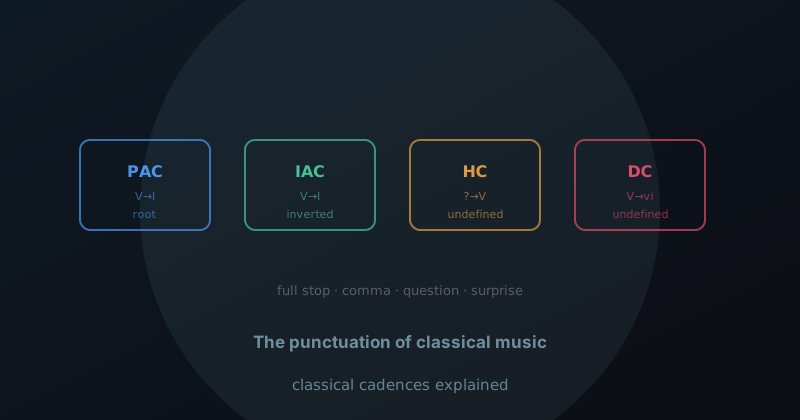
Classical Cadences: How Phrases End and Why It Matters
A cadence is how a musical phrase ends. Classical music has four main types, and each creates a different emotional effect. Understanding cadences is understanding classical grammar.
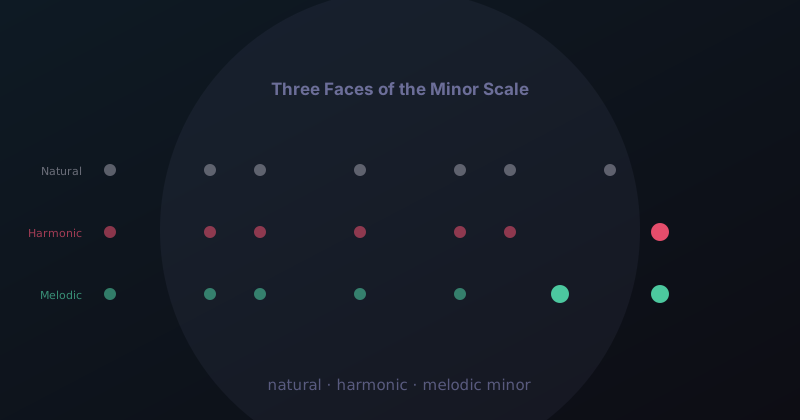
Natural, Harmonic, and Melodic Minor: The Three Faces of Minor Keys
Classical music treats 'minor key' as more complex than major: there are three minor scales, and composers switch between them mid-piece for different expressive effects.

Counterpoint and Voice Leading: The Hidden Rules of Classical Music
Classical harmony isn't just about what chord comes next — it's about how each voice moves. Counterpoint is the grammar beneath every Bach chorale and Beethoven sonata.
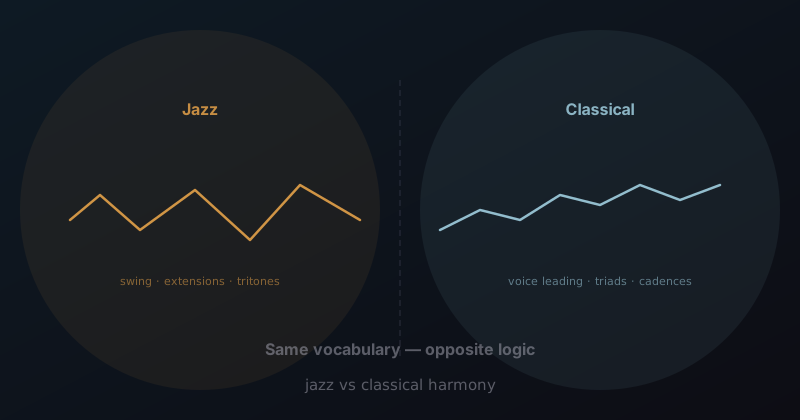
Jazz vs. Classical Harmony: How They Think About Chords Differently
Jazz and classical harmony both use seventh chords and functional progressions — but their underlying logic is almost opposite. Here's what separates them.
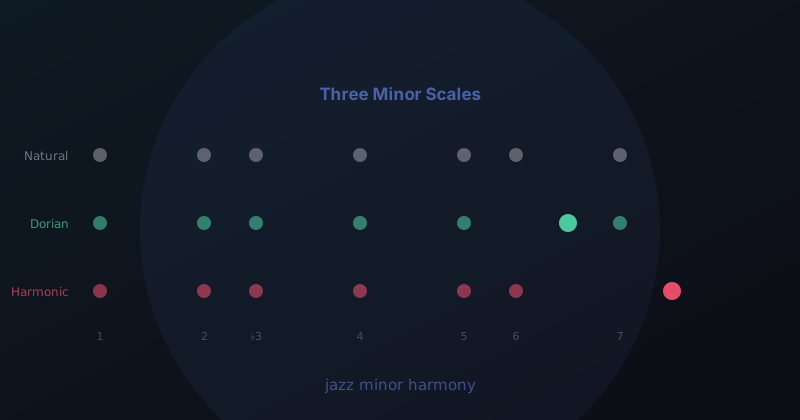
Minor Jazz: Three Scales, One Chord
Jazz minor harmony is more complex than major because the same minor chord can be part of three different scales. Here's how to hear the difference.

Shell Voicings: Why Jazz Pianists Only Play Two Notes
Jazz chord voicings often leave out the root and fifth entirely, keeping only the 3rd and 7th. These 'guide tones' carry the full harmonic information of the chord in two notes.
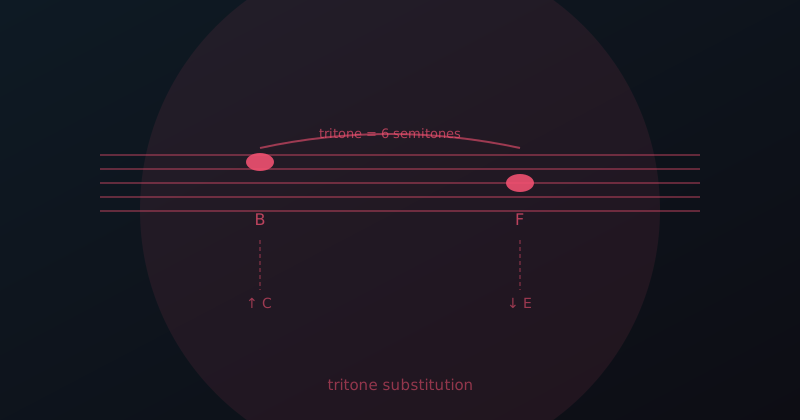
The Tritone Substitution: Jazz's Most Useful Trick
A tritone substitution replaces any dominant seventh chord with one whose root is a tritone away. The mechanics are simple; the effect is striking.
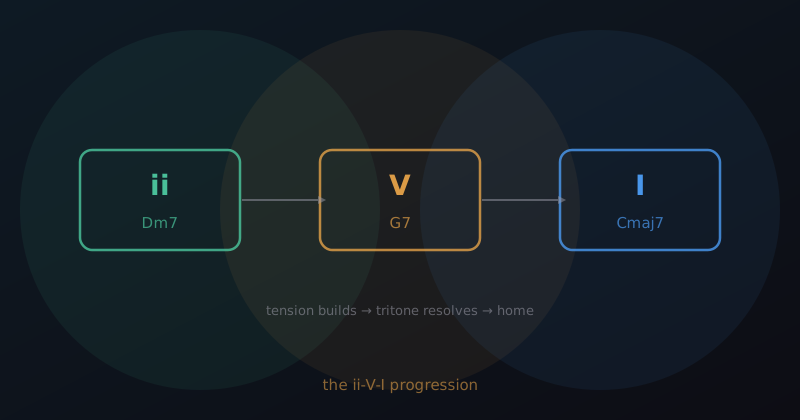
ii-V-I: The Three Chords That Define Jazz
Every jazz musician learns the ii-V-I progression on day one. Here's why it's so harmonically powerful — and why every style of jazz uses some version of it.
آنچه این نوشتهها دربارهٔ آن صحبت میکنند را بشنو
هر تکنیکی که اینجا مطرح میشود، همین حالا در بازار زنده است — وضعیتهای تطبیقی، پیشنویسهای هوش مصنوعی، سازهای واقعی نمونهبرداریشده، دموهای قابلپخش.
مرور اسکورها