وبلاگ
موسیقی تطبیقی، در عمل
تکنیک صداگذاری بازی، مقایسه جایگزینهای بدون کد Wwise و FMOD، یادداشتهای آهنگسازی با هوش مصنوعی و آموختههای ما از ساخت صدای بازی بدون میانافزار.
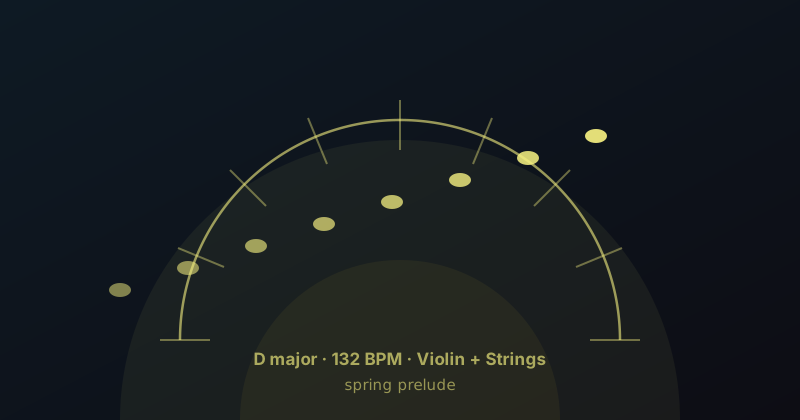
Spring Prelude: Composition Notes for a D Major Allegro
How the Mowjera Spring Prelude was constructed — the choice of D major, the scale run in bar 5, and why Allegro tempo reveals the character of the violin.

Chamber Music: The Most Intimate Form in Classical Music
Chamber music — small ensembles in small rooms — has produced some of Western art's most profound music. Here's its history and what sets it apart from orchestral music.
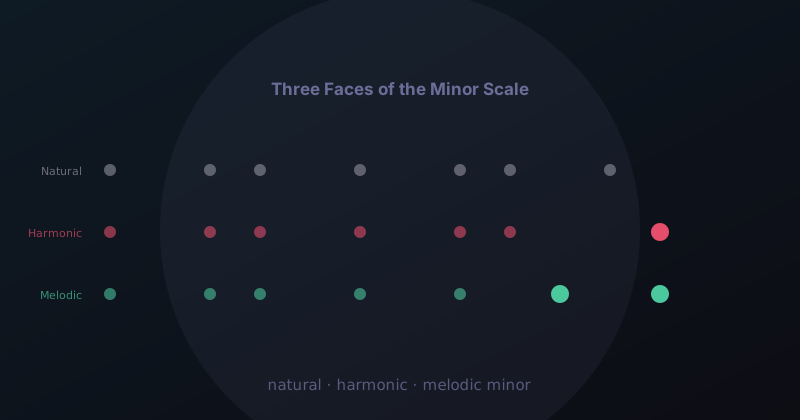
Natural, Harmonic, and Melodic Minor: The Three Faces of Minor Keys
Classical music treats 'minor key' as more complex than major: there are three minor scales, and composers switch between them mid-piece for different expressive effects.
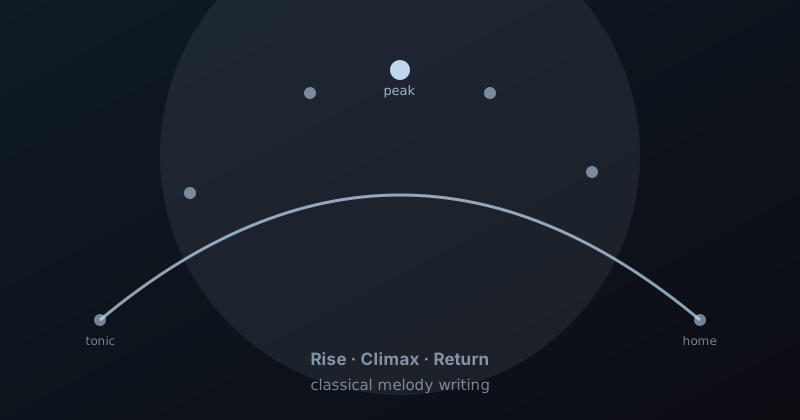
How Classical Melodies Are Built: Shape, Peak, and Return
The best classical melodies follow a structural logic that can be described but not fully explained. Here are the principles behind the melodies of Haydn, Mozart, and Beethoven.
Violin in the Romantic Period: Why It Became the Singing Voice of the Orchestra
The violin dominated Romantic-era melody because its range, expressiveness, and ability to sustain notes made it the closest instrumental equivalent of the human voice.
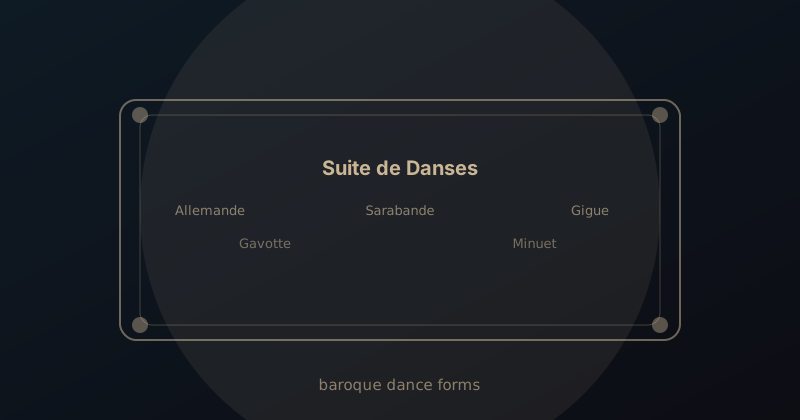
Baroque Dance Forms: The Gavotte, Minuet, and the Suite
Before the symphony and the sonata, European concert music was built around dance. The gavotte, minuet, sarabande, and gigue gave composers a formal vocabulary that lasted two centuries.

Counterpoint and Voice Leading: The Hidden Rules of Classical Music
Classical harmony isn't just about what chord comes next — it's about how each voice moves. Counterpoint is the grammar beneath every Bach chorale and Beethoven sonata.
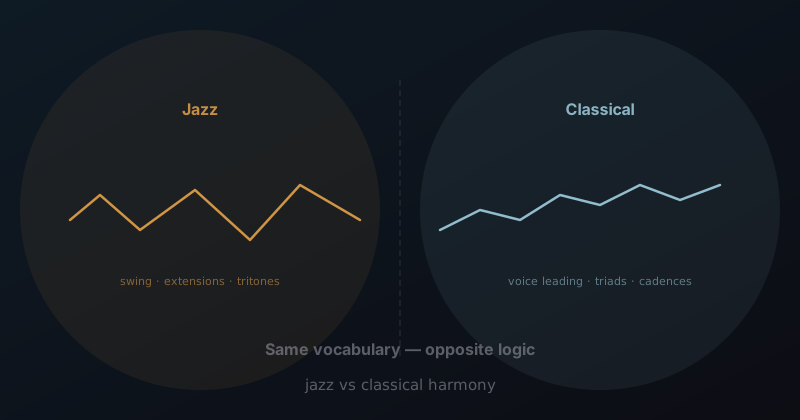
Jazz vs. Classical Harmony: How They Think About Chords Differently
Jazz and classical harmony both use seventh chords and functional progressions — but their underlying logic is almost opposite. Here's what separates them.
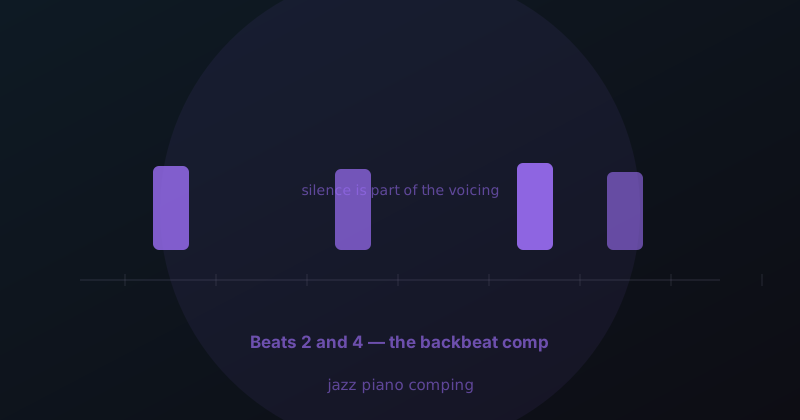
Comping: The Art of Not Playing Too Much
Jazz piano comping is one of music's most nuanced skills — knowing when to play, what to voice, and crucially, when to leave silence for the soloist.
آنچه این نوشتهها دربارهٔ آن صحبت میکنند را بشنو
هر تکنیکی که اینجا مطرح میشود، همین حالا در بازار زنده است — وضعیتهای تطبیقی، پیشنویسهای هوش مصنوعی، سازهای واقعی نمونهبرداریشده، دموهای قابلپخش.
مرور اسکورها